Family Travel · Planning Europe
Planning Europe With Kids: What Actually Works
One base, one big thing a day, and the hotel-room problem that catches almost every American family out.
The families who come home saying it was the best thing they ever did and the families who come home frayed usually went to the same places. What separated them was the schedule.
Here's what I've found actually holds up with children in the mix.
One base, day trips out
This is the whole thing. Pick a base, stay five or six nights, and take day trips from it.
Packing four people and their belongings out of a hotel and into another one is a genuinely bad morning, and it's a bad morning you've chosen to have. Two hotel changes across two weeks is plenty. One is often better.
It also means the children know where "home" is, which matters more than adults remember.
One big thing a day. That's the whole budget.
One museum, or one castle, or one boat, or one long lunch; and then nothing.
The afternoon is for a playground, a pool, a gelato, or a park. Not a second sight. Every family itinerary I'm shown has roughly twice as much in it as it should, and the second item is always the one where the day falls apart.
The hotel-room problem
This one catches almost every American family, and it's worth knowing before you start looking.
Most European hotel rooms sleep two. Not two adults and a child; two people, by fire regulation and by license. Rooms that take four are a genuinely limited category, connecting rooms are far rarer than in the US, and "family room" means different things in different countries.
Practical consequences:
- Filter for capacity first, before you fall in love with a property.
- For families of four or more, apartments and aparthotels are often better; space, a washing machine, and somewhere to eat breakfast without a production.
- Book earlier than you would otherwise. The family-capacity inventory is small and goes first.
- Two adjoining standard rooms is frequently cheaper than one suite, if you can get them.
Meal times will not match yours
In Italy most kitchens open around 7:30pm. In Spain, closer to 9. If your children eat at 5:30, you have three options and only two of them work:
- Make lunch the main meal. This is what locals do anyway, and it's the best answer. A long, proper lunch at 1pm, then something light in the evening.
- Eat early at places that cater to it; cafés, pizzerias, anywhere with outdoor seating in a tourist quarter. Fine, unremarkable.
- Push everyone to 8:30pm. Works for some families after a few days. Doesn't for most.
Plan for option one and the whole trip gets easier.
Jet lag: protect day two and three
Day one you'll all be running on adrenaline. Day two and three are when it lands, and it lands hardest on the youngest.
So: nothing demanding on days two and three. No early starts, no timed tickets, no long drives. A park, a market, a pool. Put the ambitious day on day four, when everyone has come round.
Countries that are kindest for a first family trip
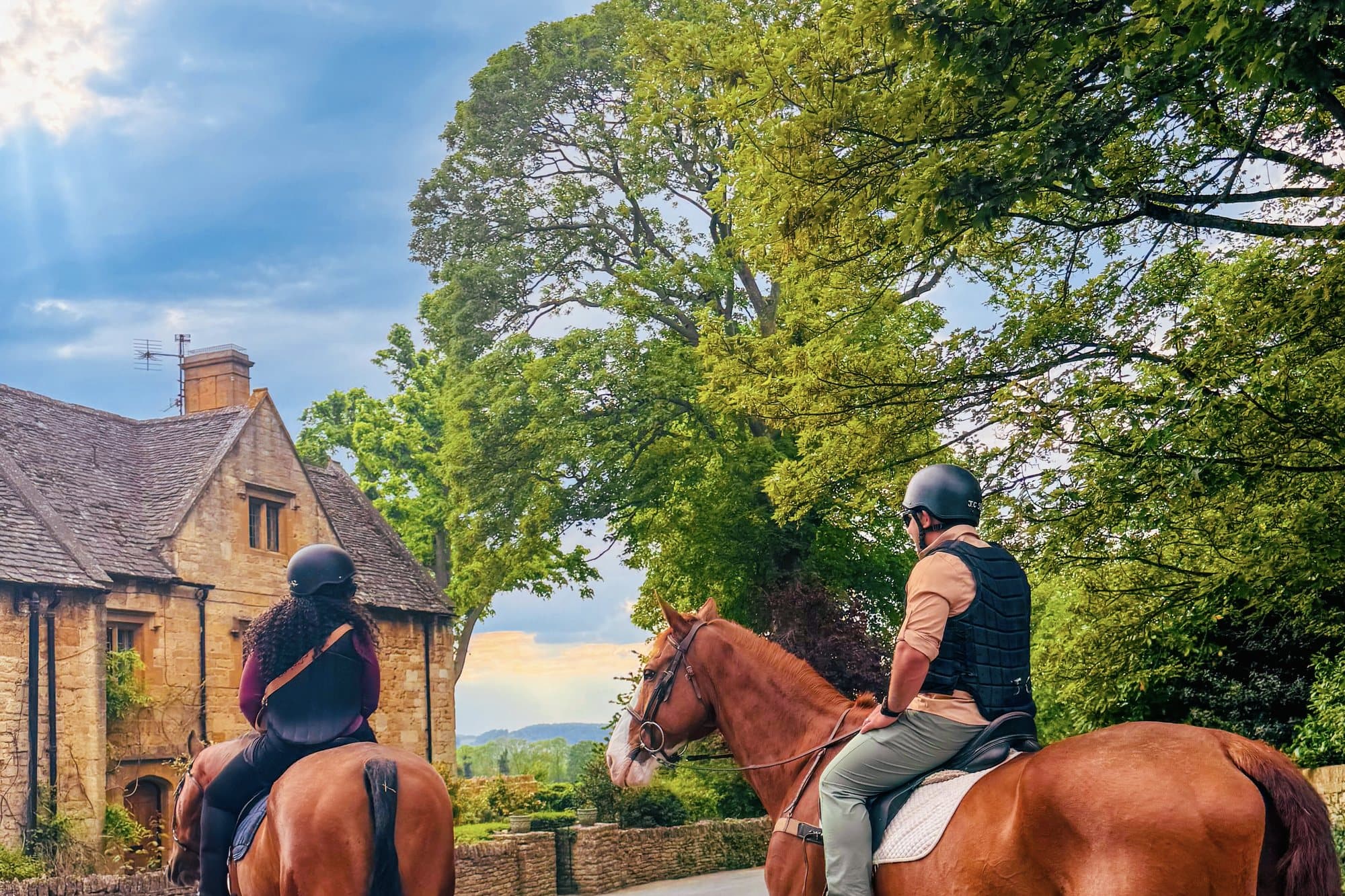
United Kingdom. No language barrier, familiar systems, and children are genuinely well catered for. London plus a countryside stretch is close to foolproof for a first trip.
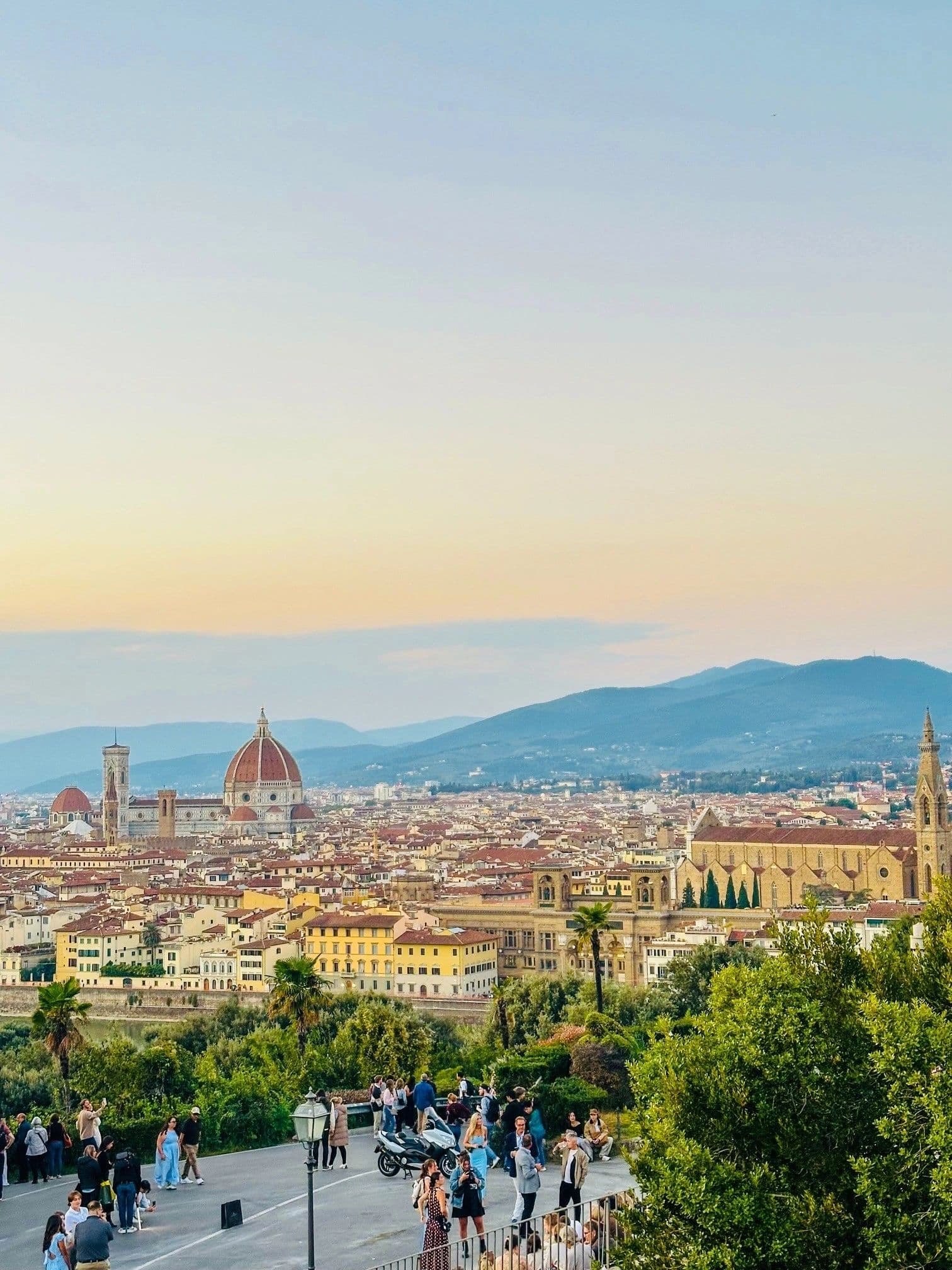
Italy. Children are welcomed in restaurants in a way that surprises American families. Not tolerated; welcomed. The food is uncontroversial. Distances between the main cities are short and by train.
France outside Paris. The Loire is castles, which is an easy sell. Provence is markets and swimming.
Netherlands. Flat, compact, everyone cycles, and Amsterdam is smaller than people expect.
The harder ones for young children aren't dangerous, just tiring: Andalusia in summer heat, the Amalfi Coast's roads and steps, anything with lots of internal flights.
What ages travel well
Under 4. Travels fine, remembers nothing. Go if you want to go, not for them, and lower the ambition sharply.
5 to 9. Often the sweet spot. Old enough to walk a full day and remember it, young enough to find a fountain genuinely thrilling. Needs the most structure and the shortest sight visits.
10 to 14. The best age for the trip you're imagining. They can do a museum, they'll form real opinions, and letting them choose one thing per city changes their entire relationship with the trip.
Teenagers. They will enjoy it more than they let on. Give them a say in the itinerary and some independence where it's safe. Also: be realistic about the phone, and pick accommodation with good wifi rather than fighting it.
Small things that make a disproportionate difference
- Let each child own one day. They choose the main activity. It transforms buy-in.
- Skip-the-line tickets are not a luxury with children, they're the difference between a good morning and a meltdown. Book timed entry for everything that offers it.
- Ground-floor or lift access. Many charming European buildings have neither, and four flights with a stroller stops being charming immediately.
- A pool, or water, roughly every third day. It resets everyone.
- Bring the stroller for under-4s even if they've outgrown it at home. European walking days are much longer than American ones.
- Adapters and a power strip. One adapter, one strip, everything charges. Four adapters is four things to lose.
What to leave out
The third city. Always the third city.
The trip your children will talk about is not the one with the most cathedrals in it. It's the one where they fed ducks in a park in a country where the ducks sound different, and everyone was in a good mood because nobody had to be anywhere.
Multi-generational trips, different ages, different energy levels; those are among the most satisfying trips to plan and the easiest to get wrong. Tell me who's coming and I'll shape something that works for all of them.

Kerry-Ann Stephens
Founder of Bound for Europe, based in Georgetown, Texas. She plans custom European trips and hosts small-group retreats for women.
Destinations in this article
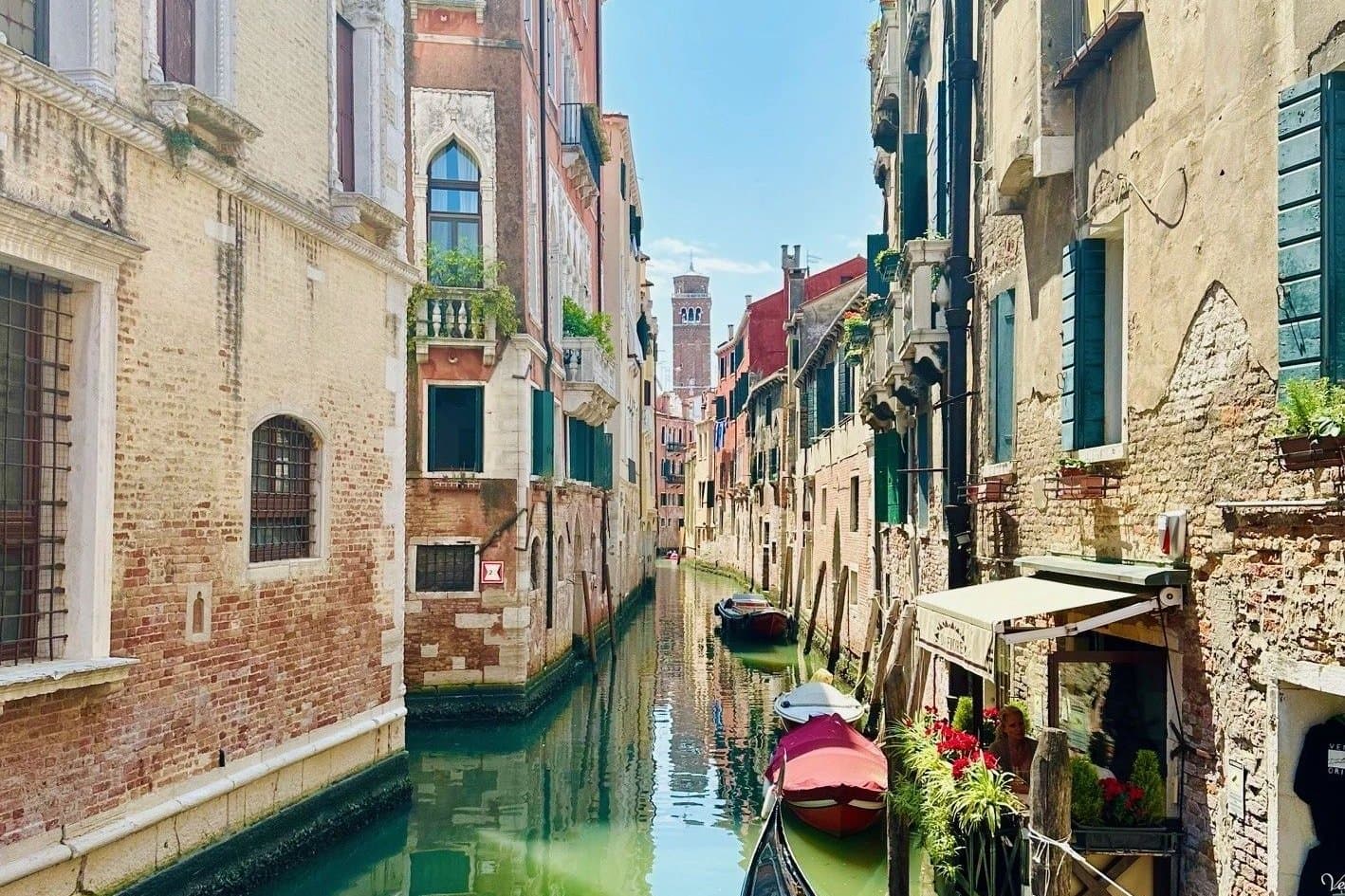
Italy
The country most people try to see all of in ten days; and the one that rewards you most for not doing that.
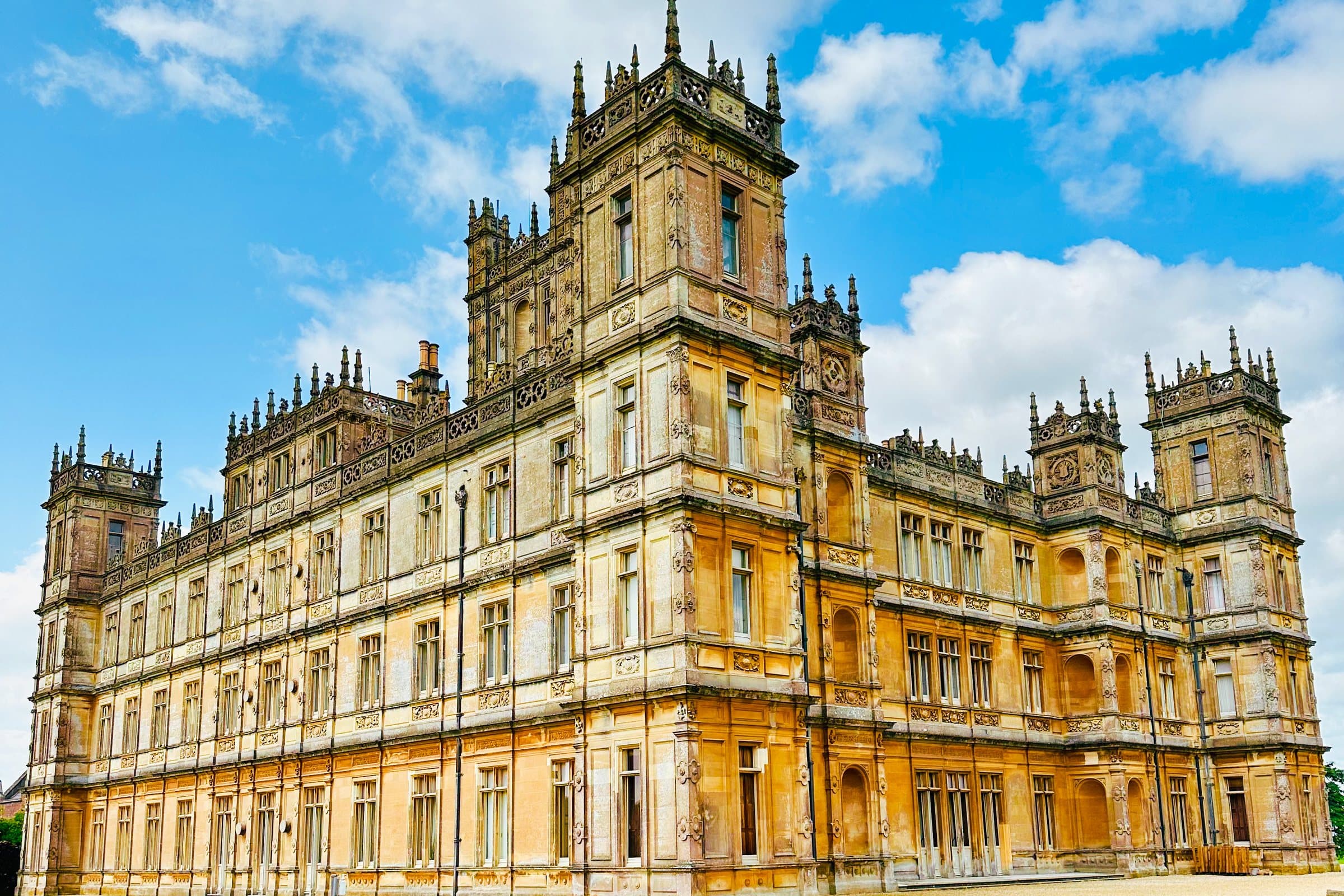
England
The easiest country in Europe to travel badly, because everything looks close on the map.

France
Everyone plans Paris. The trips people talk about afterwards are the ones that left the city for a few days.