
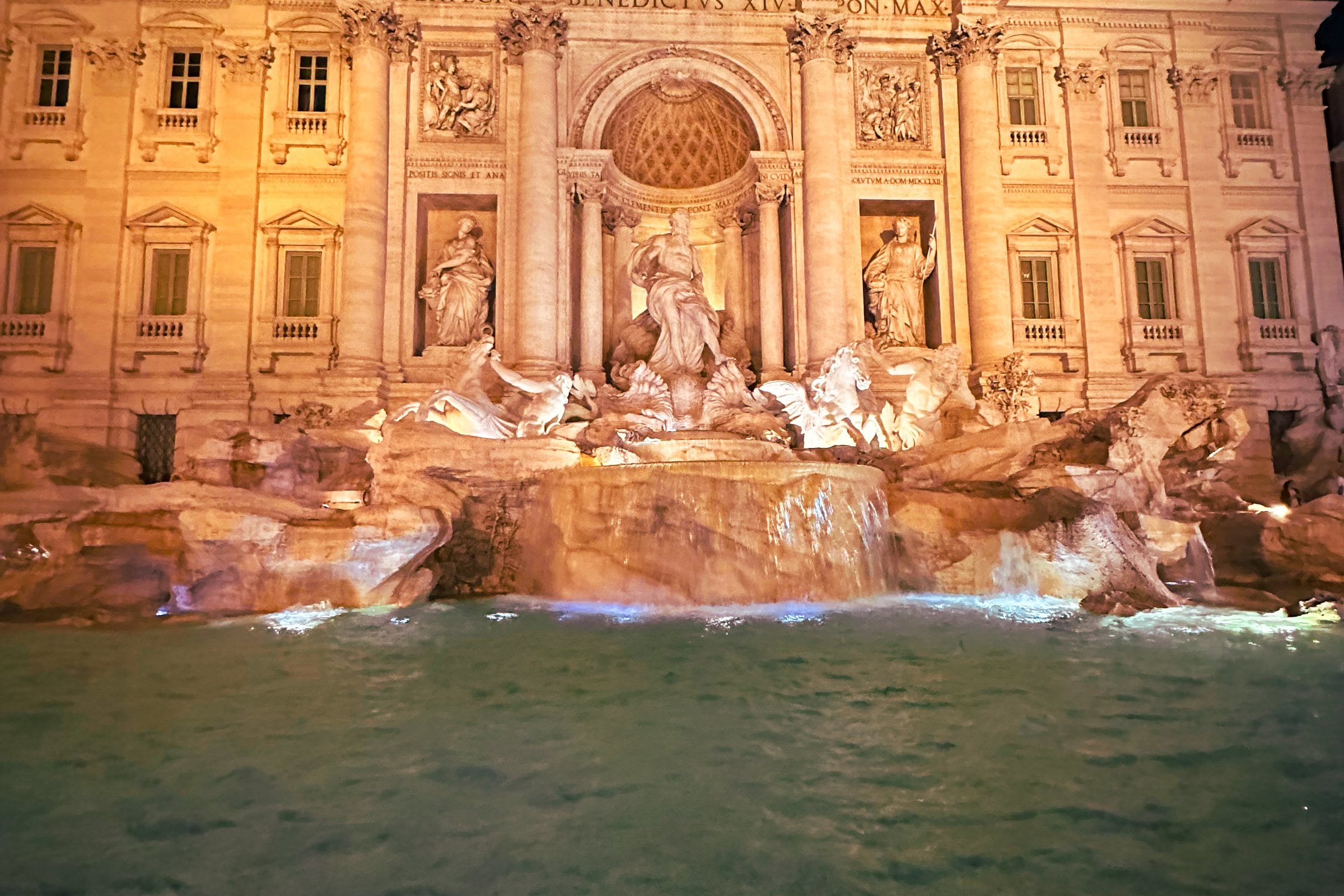
Italy
The country most people try to see all of in ten days; and the one that rewards you most for not doing that.
Why go
Best for
- First trips to Europe
- Couples and anniversary travel
- Food, wine, and cooking-focused trips
- Families with older children
- Art and history travelers
Italy is the country most first-time Europe travelers start with, and for good reason. Within a few hours by train you can go from Renaissance galleries to hill towns to a coastline, and the food is worth planning a trip around on its own.
It's also the country where over-planning does the most damage. The classic Rome–Florence–Venice run is genuinely wonderful, but squeezed into eight days it becomes three half-days of sightseeing and four mornings spent packing. The difference between an exhausting Italy trip and a great one is almost always the number of stops, not the budget.
The version worth planning slows down: fewer bases, longer stays, day trips instead of hotel changes, and enough unscheduled time to sit somewhere and let the place happen to you.
Where to go
The places worth your nights in Italy.
Minimums, not maximums: the point at which a stop stops being worth the hotel change.
Rome
3–4 nightsLayered, loud, and endlessly rewarding. Best as a first or last stop, with a hotel in the historic center so you can walk home from dinner.
Florence
3–4 nightsCompact enough to cross on foot, with the best museums in the country and easy reach into Tuscany. A natural base rather than a stop.
Tuscany (countryside)
3–5 nightsHill towns, long lunches, and slower days. Needs a car or a driver, and rewards staying put for several nights.
Venice
2 nightsExtraordinary and genuinely unlike anywhere else; but small. Two nights lets you see it after the day-trippers leave, which is the point.
Amalfi Coast
3–4 nightsBeautiful and slow to move around. Transfers take longer than the map suggests, so it belongs in trips with time to spare.
Puglia
4–5 nightsWhitewashed towns, olive groves, and far fewer crowds. Good for a second Italy trip or travelers who want quiet.
How long to stay
Ten to fourteen days is the sweet spot for a first trip to Italy. Under a week, pick one region and stay there.
The rule that saves most Italy trips: no more than one hotel change every three nights, and no travel day that also has a timed ticket at the other end. Trains are fast, but station transfers, luggage, and check-in still eat half a day.
- 5–7 days
- One base, maybe two. Rome and a day trip, or Florence with Tuscany. Adding Venice to a week means three travel days out of seven.
- 8–10 days
- Two bases comfortably. Rome and Florence, or Florence and the Amalfi Coast. Three cities is possible but tight.
- 11–14 days
- Three bases without rushing. The classic Rome–Florence–Venice route finally has room to breathe, or swap Venice for several nights in the Tuscan countryside.
- 15+ days
- Time to add a region most people skip, Puglia, the Dolomites, Sicily, or to slow the whole trip down and do less each day.
When to go
Every season in Italy is a different trip.
Spring
April – early June
Warm days, long light, gardens in bloom. Easter and late May get busy; book hotels well ahead.
Summer
Late June – August
Hot in the cities and at its most crowded. Workable if you build the day around early mornings and late evenings, and worth it if you're tied to school holidays.
Autumn
September – October
Many travelers' favorite window. Harvest season, softer light, warm water into September, and noticeably thinner crowds after the first week of October.
Winter
November – March
Quiet museums and the best hotel rates of the year. Shorter days and some coastal closures, but Rome and Florence are lovely and uncrowded.
Itinerary shapes
Combinations that actually work.
Routes where the travel days sit between real ones, rather than eating them.
Rome & the Amalfi Coast
10 nightsHistory first, then genuine rest. One train south, one transfer, and no repacking in between.
Florence & Tuscany
9 nightsCity and countryside from two bases. Cooking, wine, and hill towns without a new hotel every other night.
Rome, Florence & Venice
12–14 nightsThe classic route, given the time it actually needs. All three legs by fast train, no internal flights.
Italy & France
14 nightsWorks well by rail through the Riviera, or Paris and Rome as bookends. Two countries in two weeks is the practical limit.
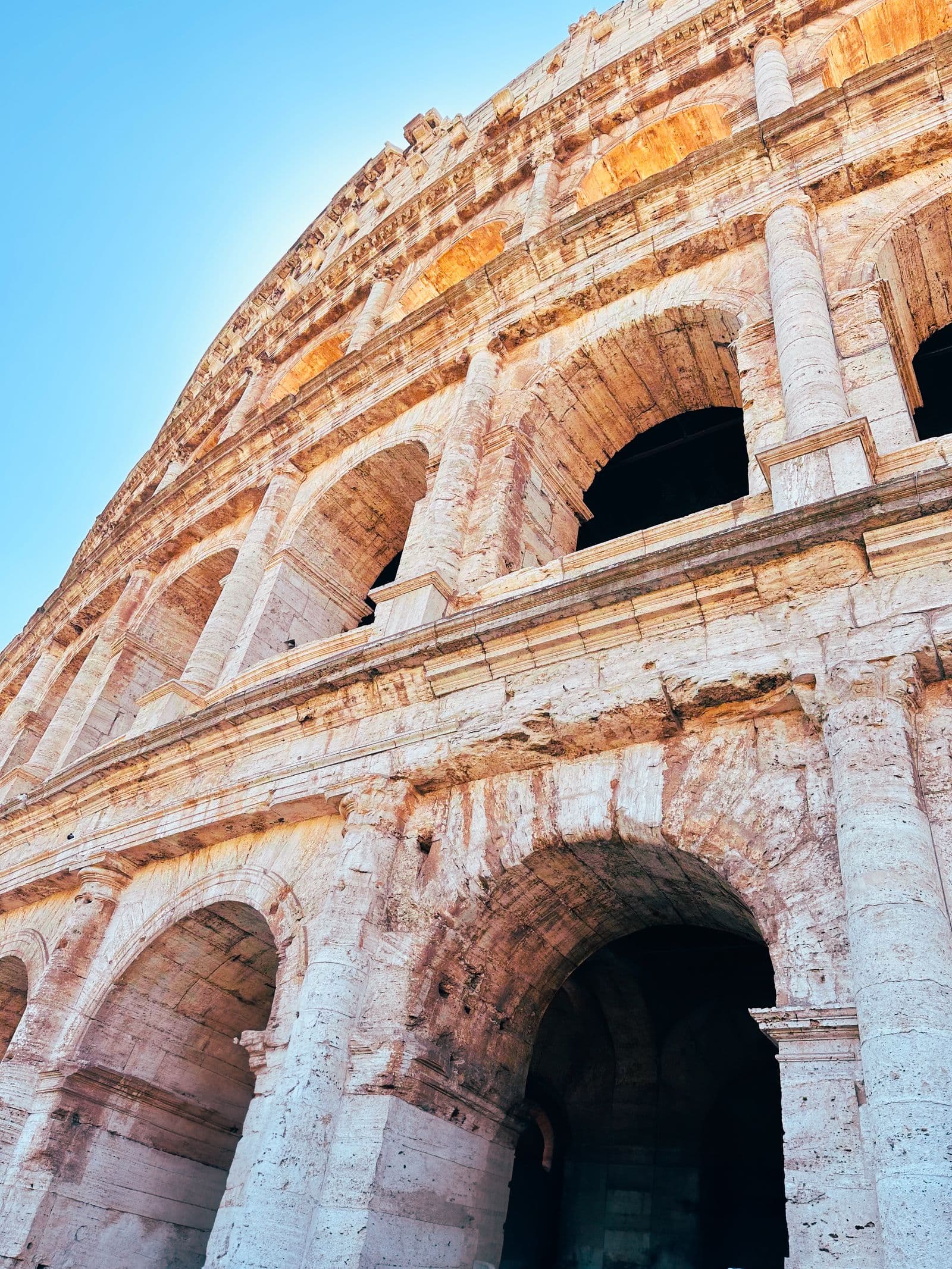
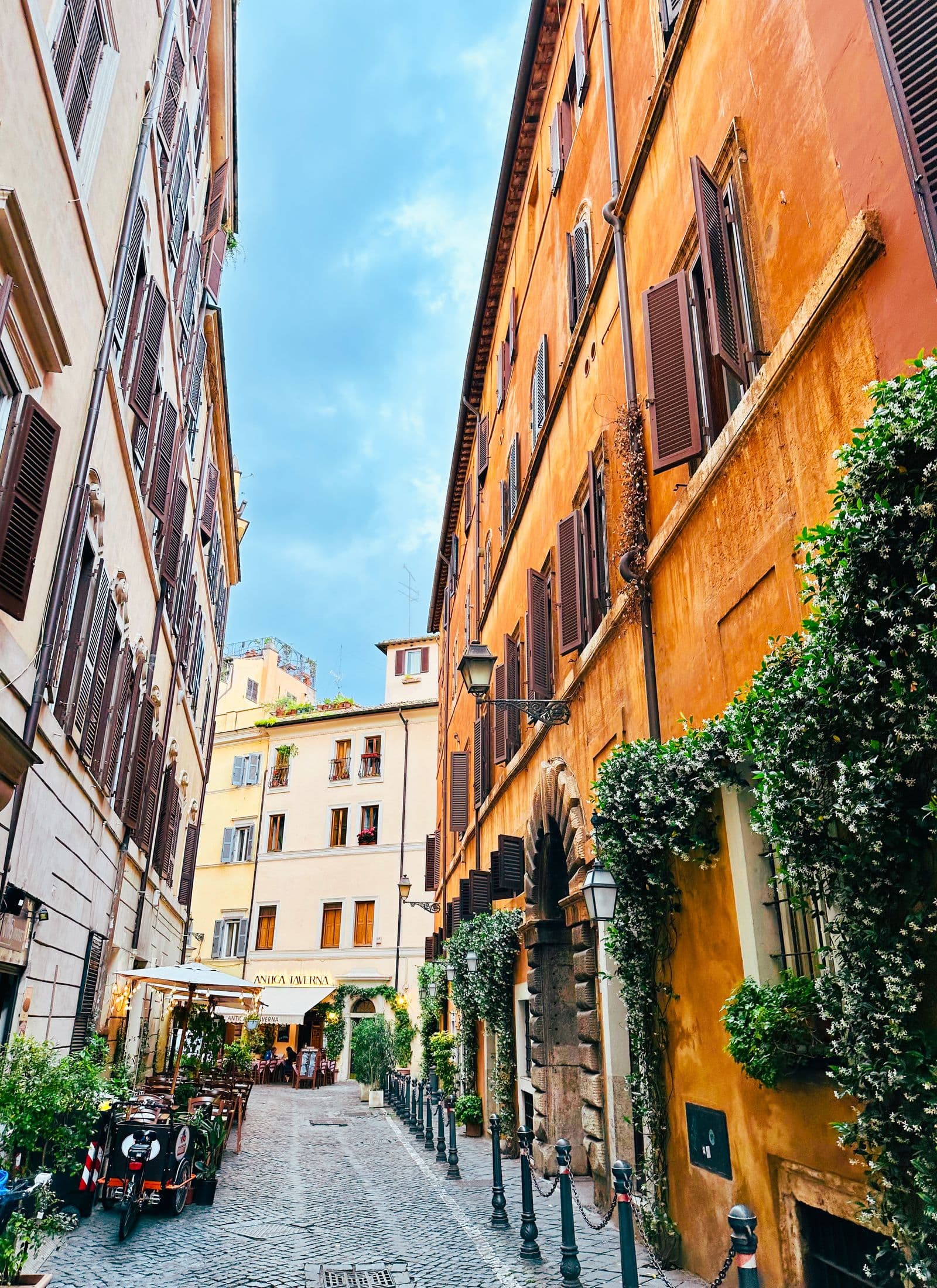
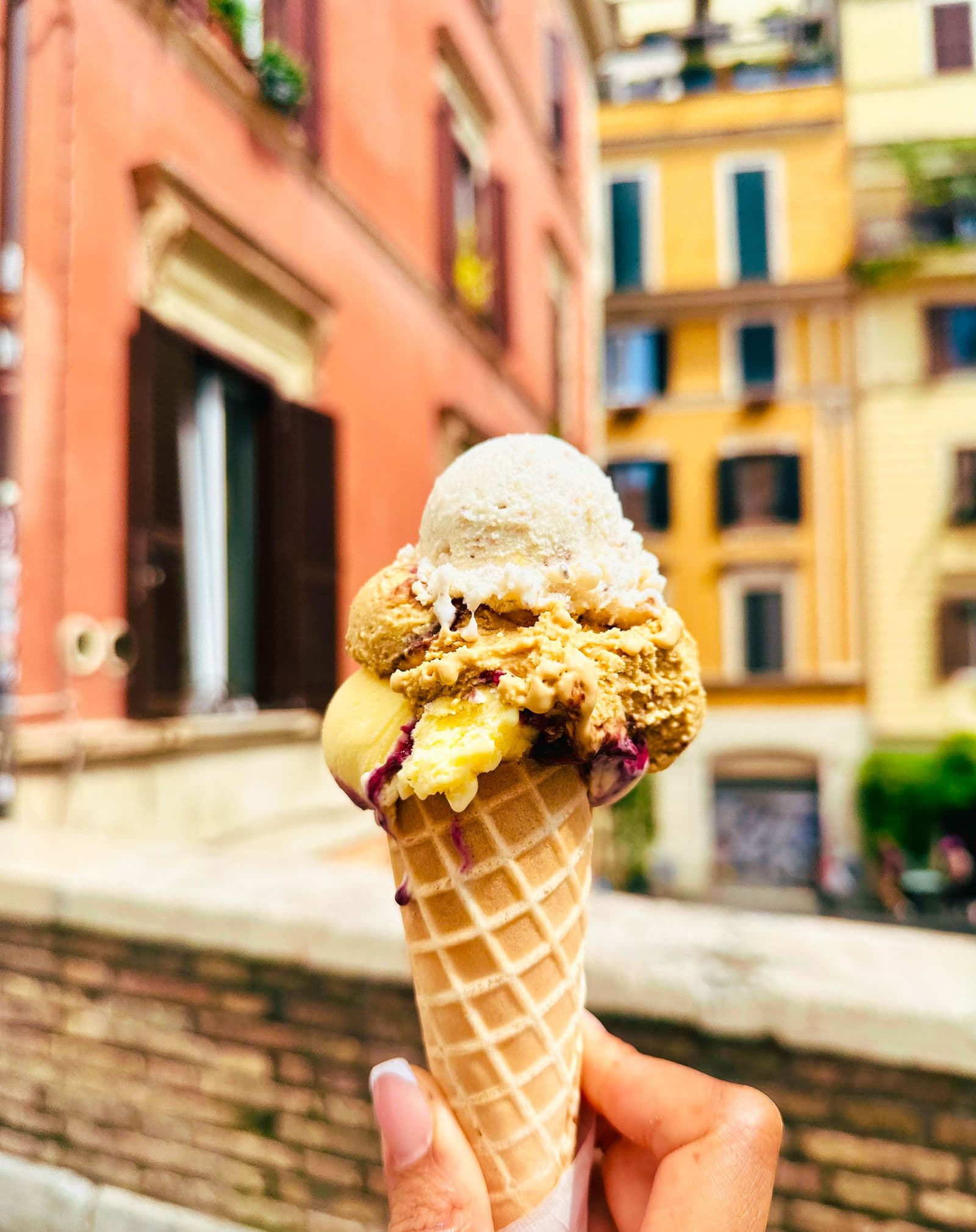
From the road
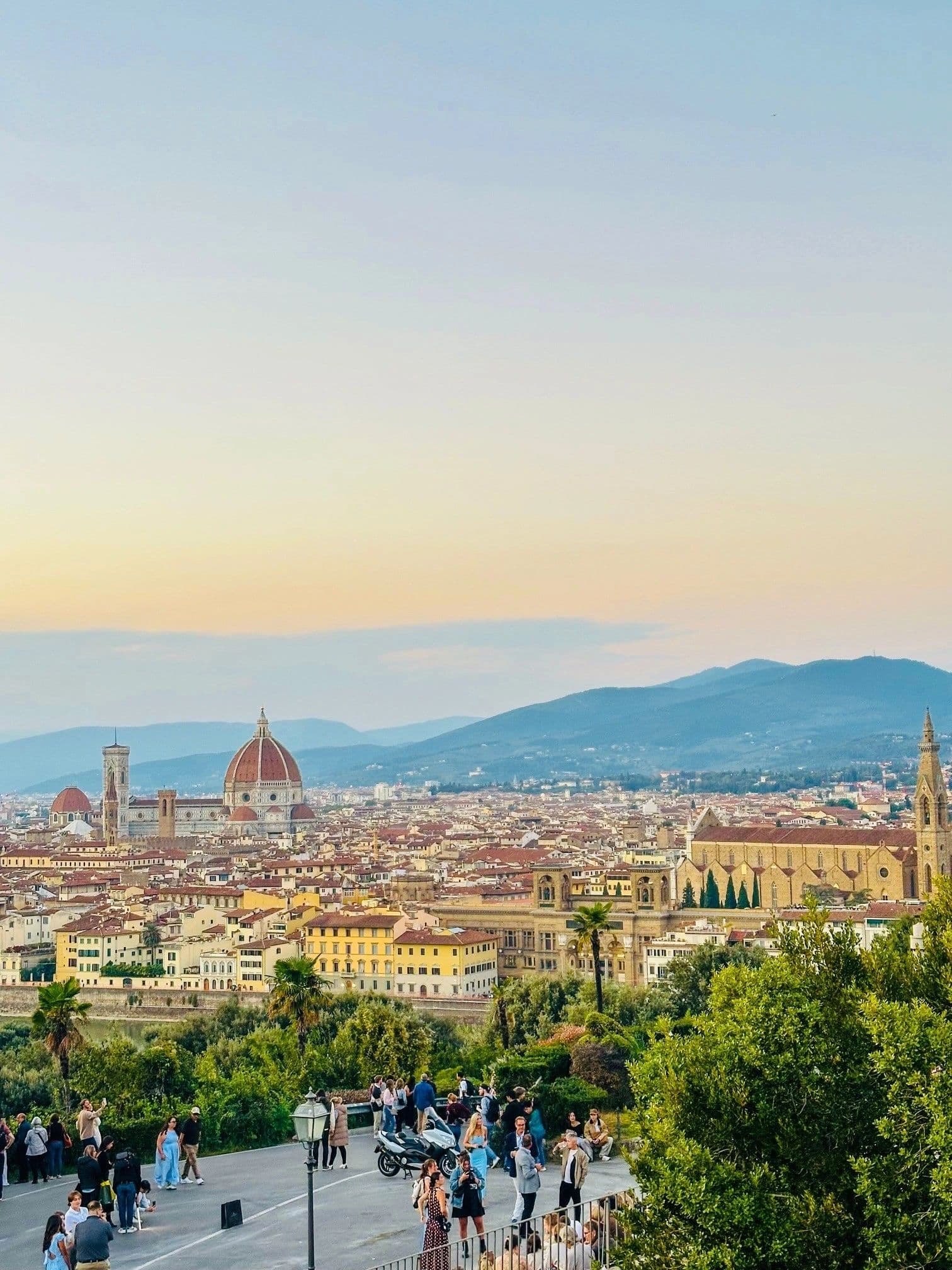
Italy, as I found it.
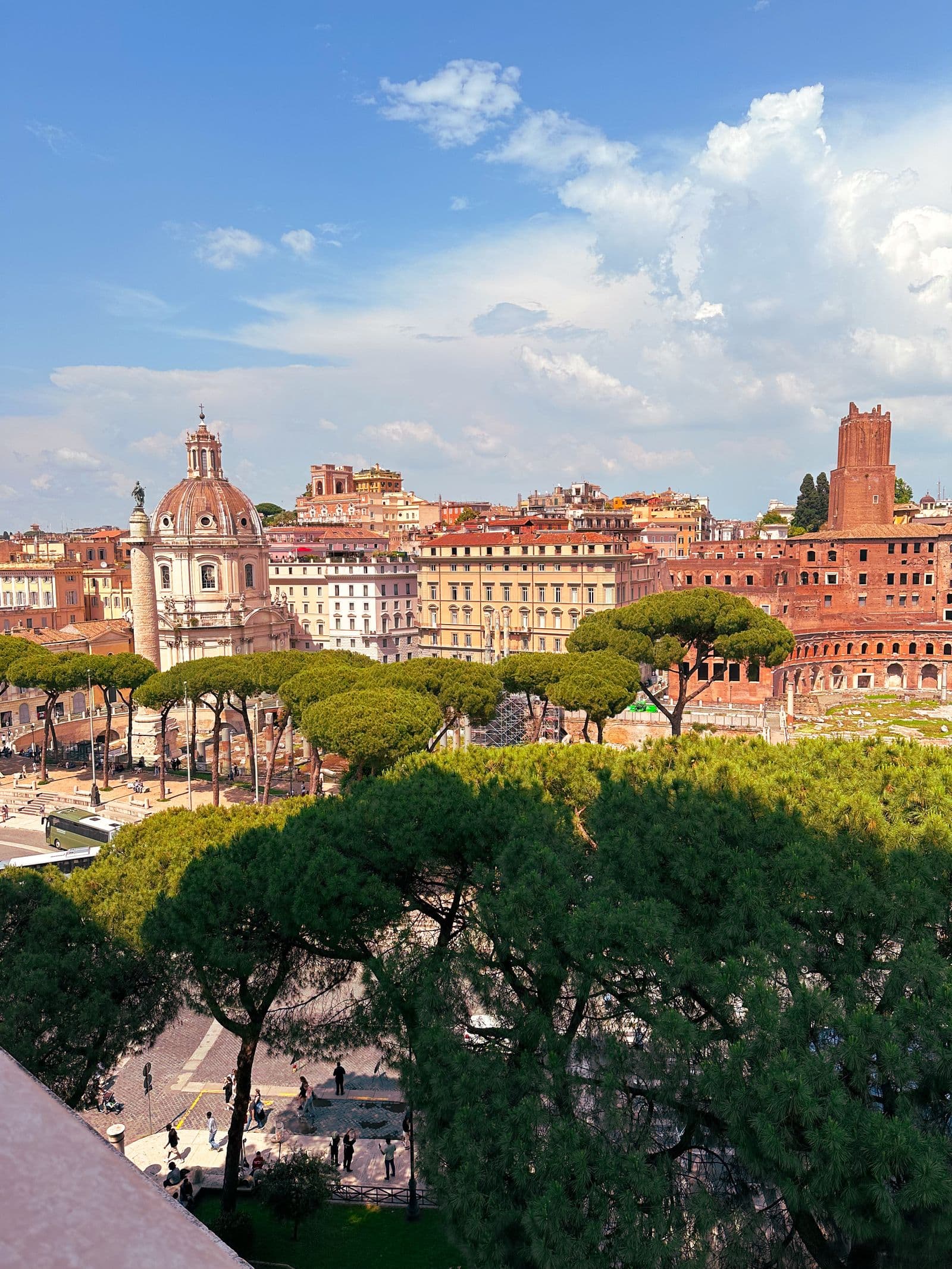
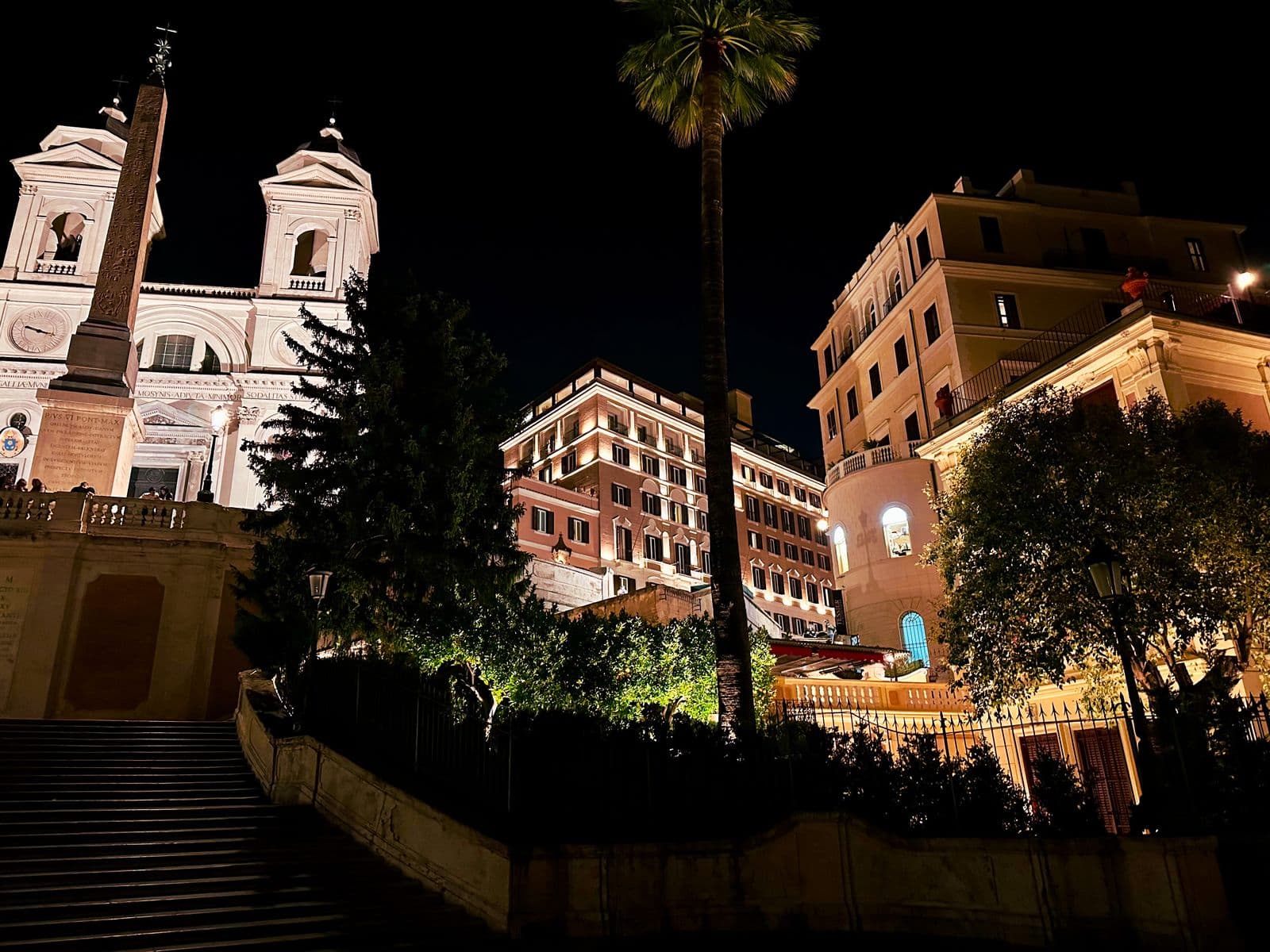
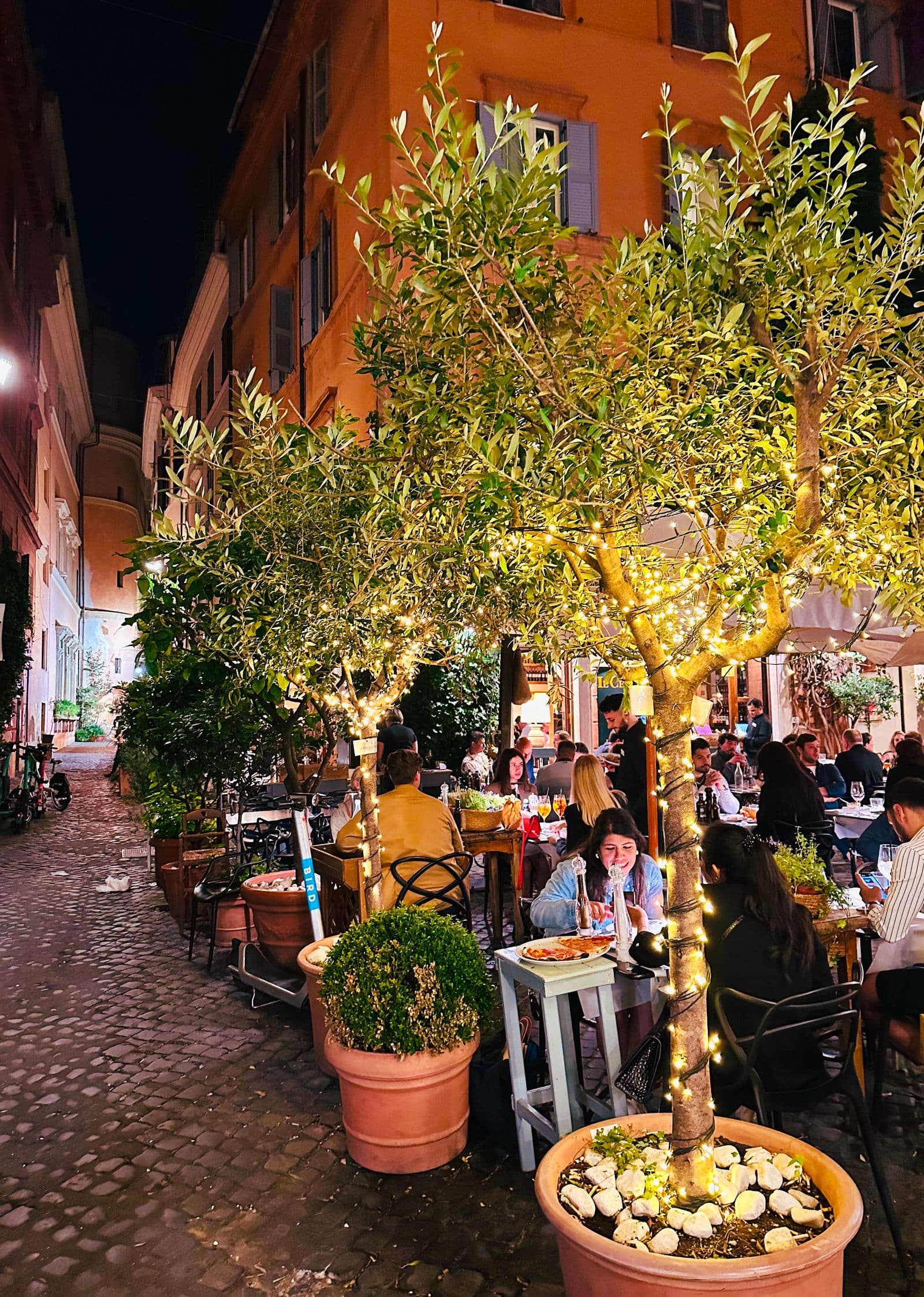
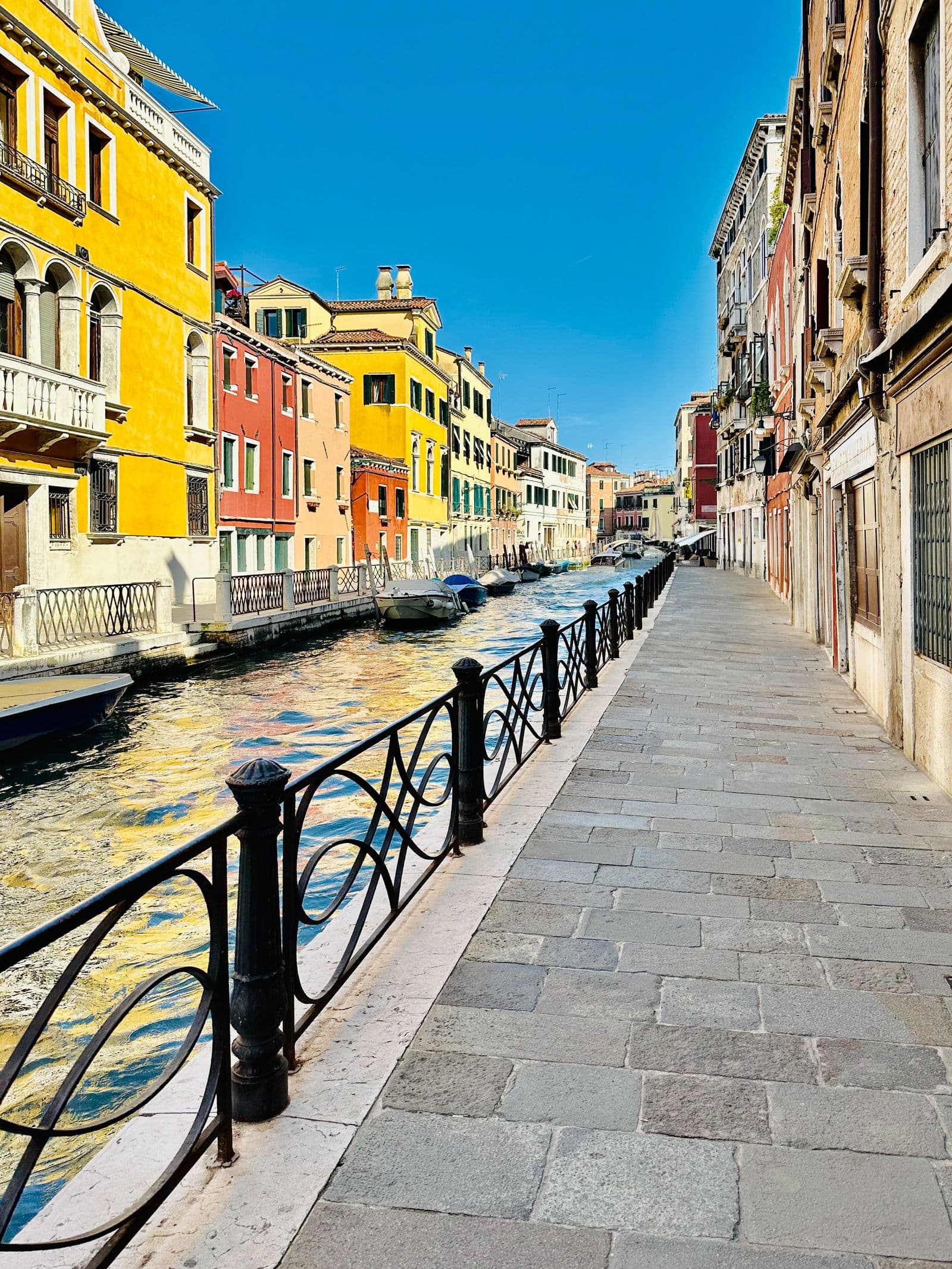
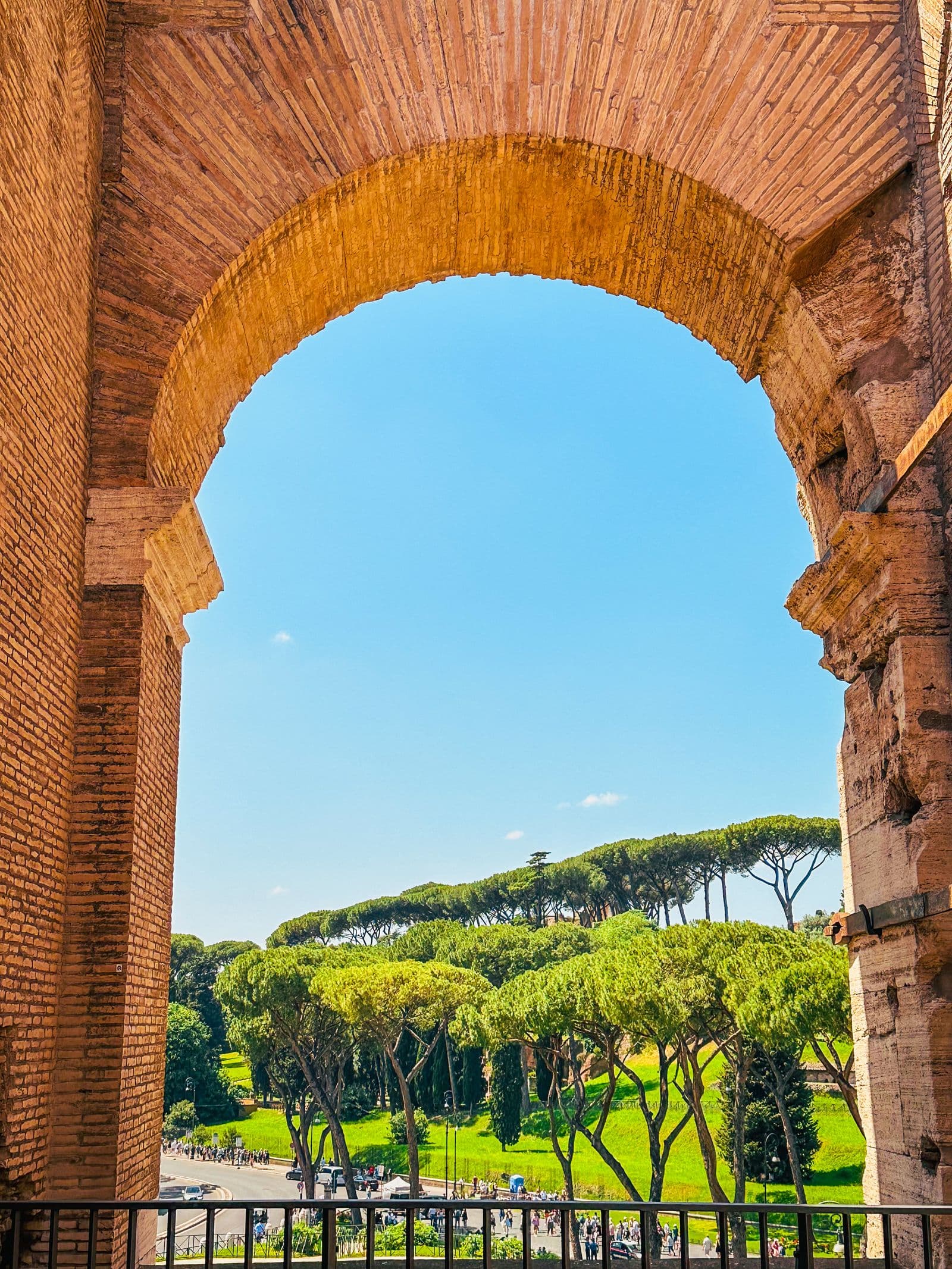
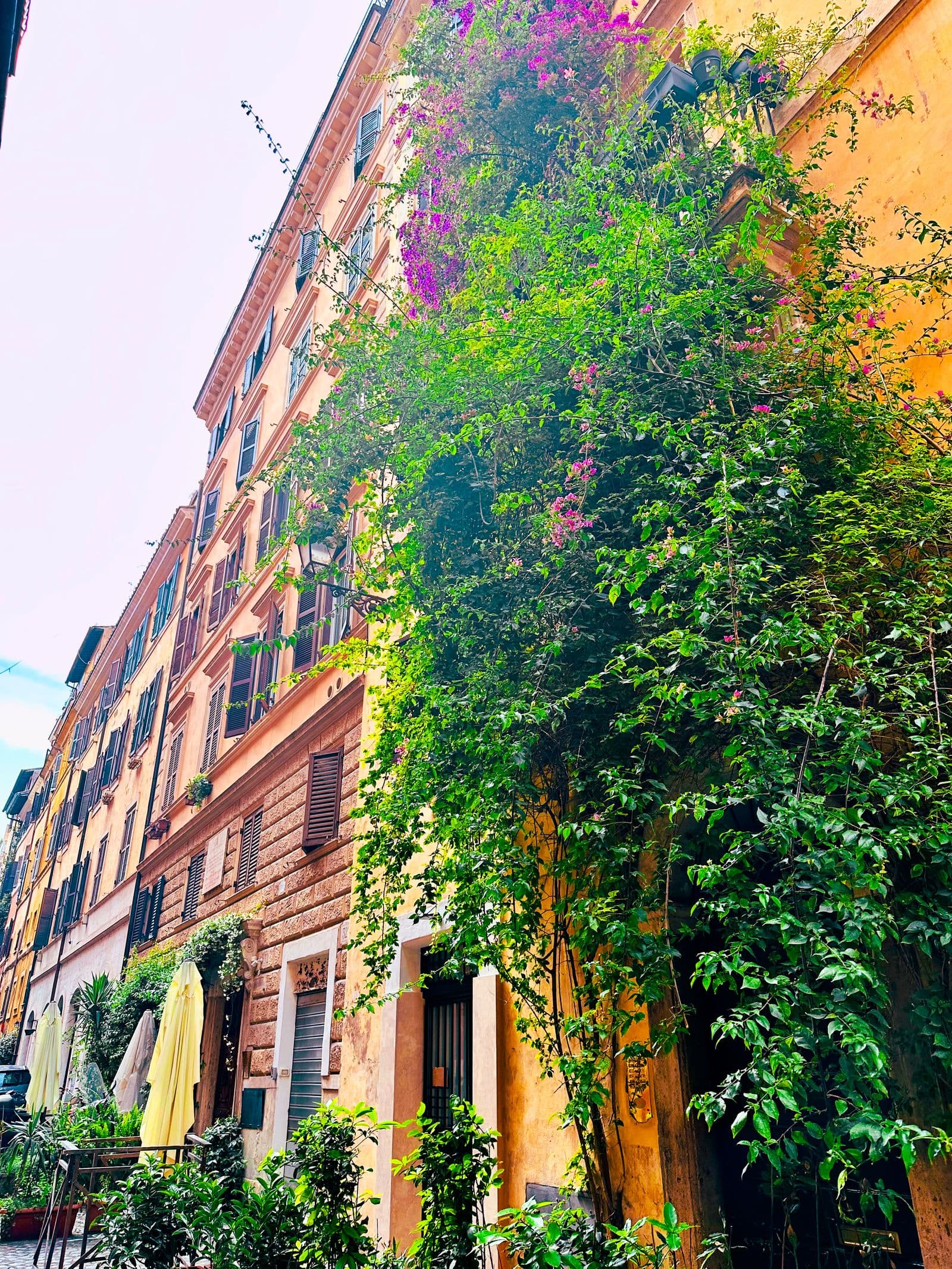
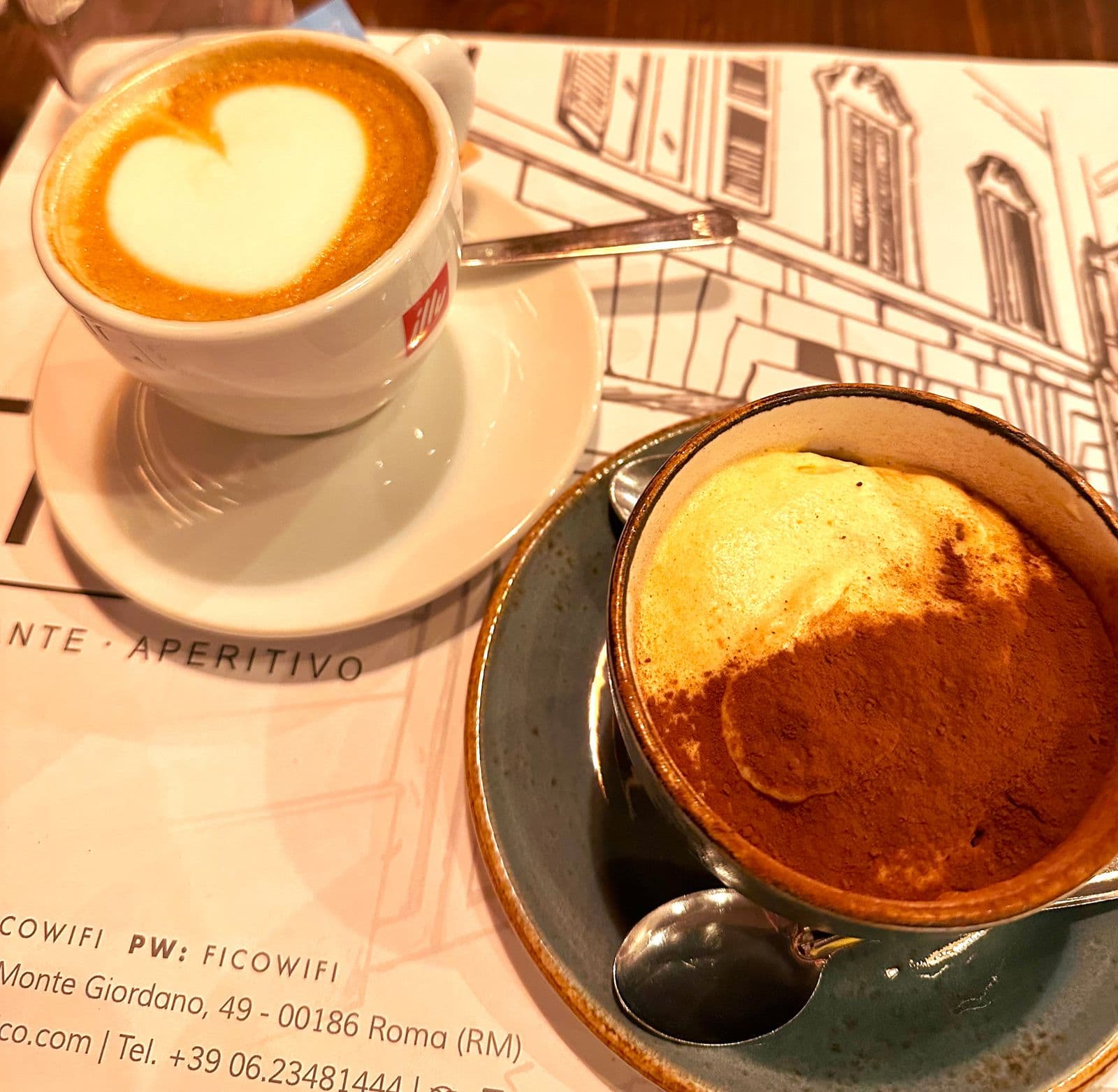
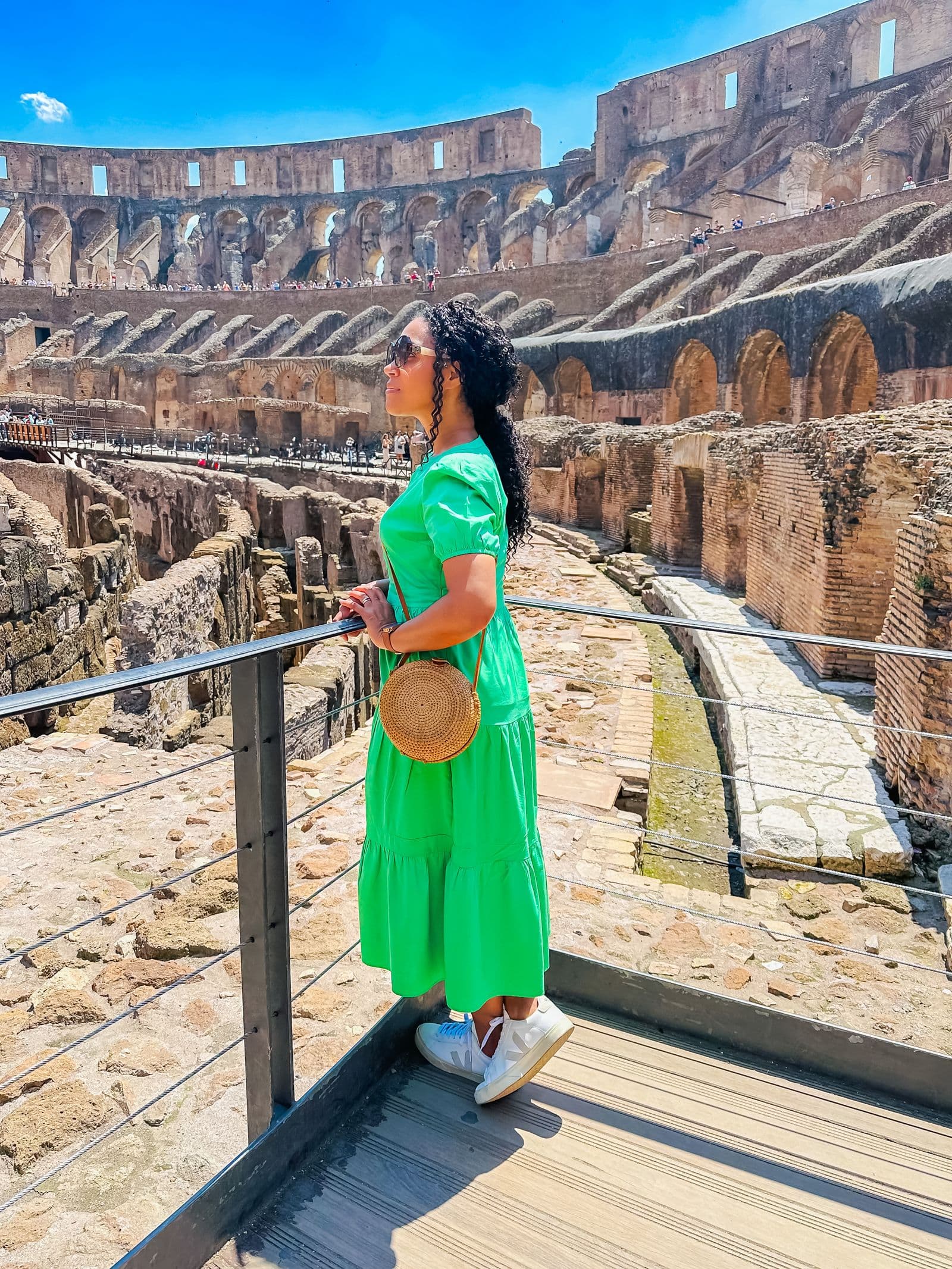
Photographs from my own trips to Italy. No stock, no borrowed shots.


Questions
Planning Italy, answered.
How many days do you need in Italy?
Ten to fourteen days is the realistic range for a first trip that includes two or three regions without feeling rushed. With a week, choose one base and take day trips from it; a week split across Rome, Florence, and Venice spends nearly half the trip in transit.
Is it better to see Rome, Florence, or Venice first?
Most itineraries work best starting in Rome and moving north, ending in Venice, because it follows the direction of the fast train line and lets you fly home from Venice or Milan. Starting in Venice also works well if your flights favor it; the route matters less than not backtracking.
Do you need a car in Italy?
Not for the cities; trains connect Rome, Florence, and Venice faster than driving, and city centers are restricted-traffic zones with real fines. A car earns its place only in the countryside, for Tuscany, Umbria, or Puglia, and even there a private driver is often the better answer for a few days.
How far in advance should you book a trip to Italy?
For spring and autumn travel, nine to twelve months ahead gives you the best choice of hotels and guides. Popular small properties in Tuscany and the Amalfi Coast fill first. Winter trips and simpler itineraries can come together in far less time.
Ready to plan Italy?
Tell me your rough dates and who's coming. I'll tell you honestly whether the shape of it works.
30-minute consultation, no charge, no obligation.