Italy · Planning Europe
Rome vs Florence vs Venice: Which Deserves Your Nights?
If you can't fit all three, and on a first trip you often can't, which one do you drop? Here's how each city actually earns its nights.
The three-city Italy trip is the most common first itinerary in the world, and on eight or nine nights it is one city too many. So: which one goes?
The unsatisfying honest answer is that it depends on what you're actually going for. The useful version is below.
The short answer
| Nights it earns | Drop it if | |
|---|---|---|
| Rome | 3–4 | You've been, or ancient history genuinely doesn't move you |
| Florence | 3 | You aren't going into the countryside and don't care about Renaissance art |
| Venice | 2 | You're traveling in July or August, or you can only give it a day |
If you have nine nights or fewer, pick two. If you have twelve or more, all three fit comfortably.
Rome
What it's actually like: loud, layered, and much more of a working city than the other two. You turn a corner and there's a 2,000-year-old temple with a bus stop in front of it. It is the least polished of the three and the most alive.
What it needs: three nights minimum, four if you want to enjoy it. The Vatican is most of a day on its own and it is genuinely tiring. Ancient Rome (Forum, Colosseum, Palatine) is another. That's two days spent before you've had a single unscheduled afternoon.
Where to stay: the historic center, so you can walk home after dinner. This matters more in Rome than anywhere else in Italy, because the alternative is a taxi negotiation at 11pm.
Best for: first-time visitors, history, anyone who likes a city with some grit.
The honest downside: it's hot, the crowds at the headline sights are relentless, and it asks more of you physically than Florence or Venice.
Florence
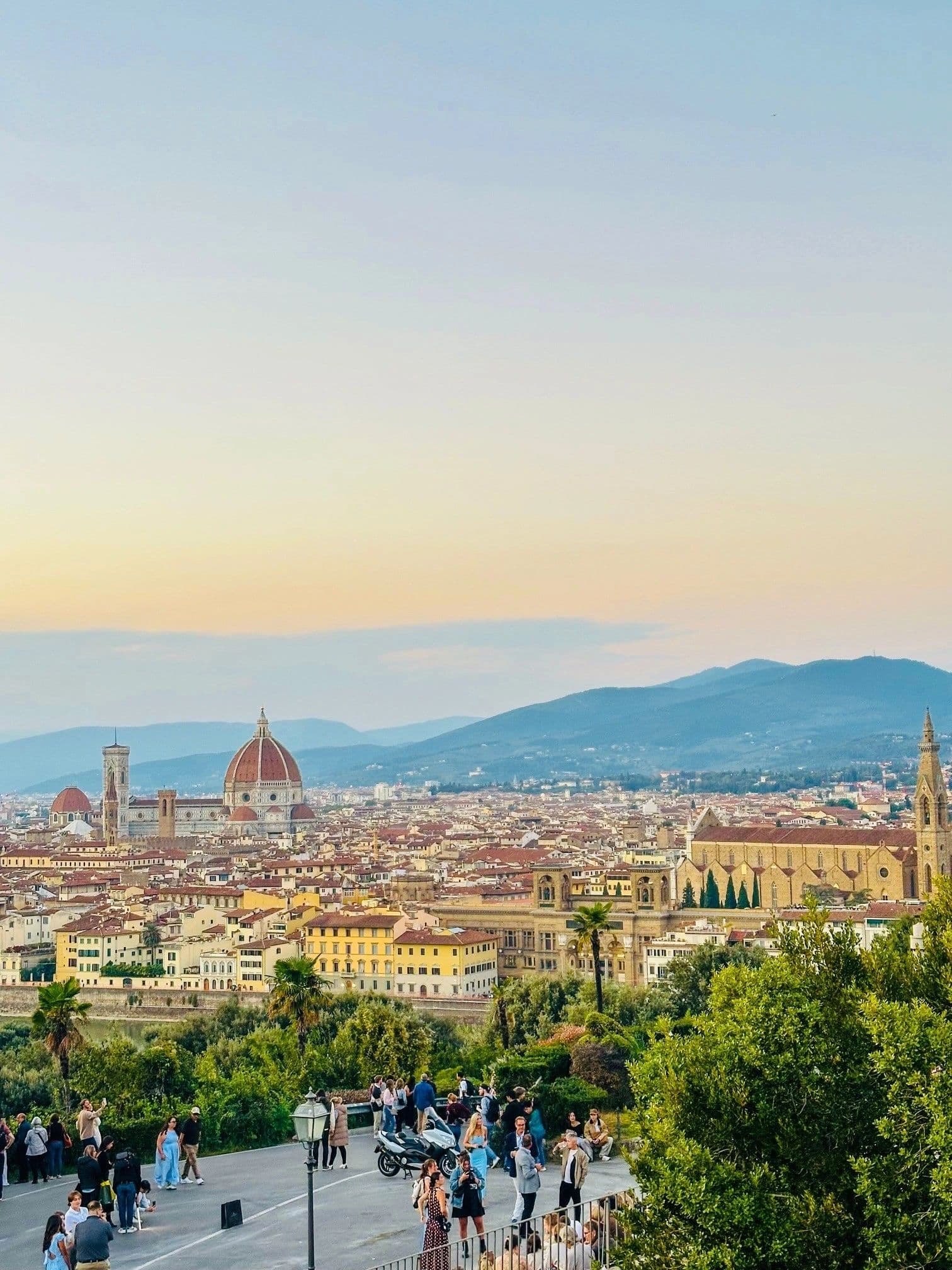
What it's actually like: small. Genuinely small; you can walk across the historic center in twenty-five minutes. That compactness is its great virtue and the reason people underestimate how much is packed into it.
What it needs: three nights. Two if you're only going for the Uffizi and the Accademia, but Florence rewards being walked around in the evening after the day-trippers have gone, and that requires an evening.
Where to stay: anywhere inside the center, or across the river in the Oltrarno if you want somewhere quieter with better restaurants and fewer visitors.
Best for: art, food, and, this being the real argument, as the base for Tuscany. Florence plus four nights in the countryside is, for my money, a better nine-night trip than Rome–Florence–Venice.
The honest downside: the center can feel like it belongs to tourists in high season, more so than Rome. And if Renaissance painting doesn't interest you, a good deal of Florence's case evaporates.
Venice
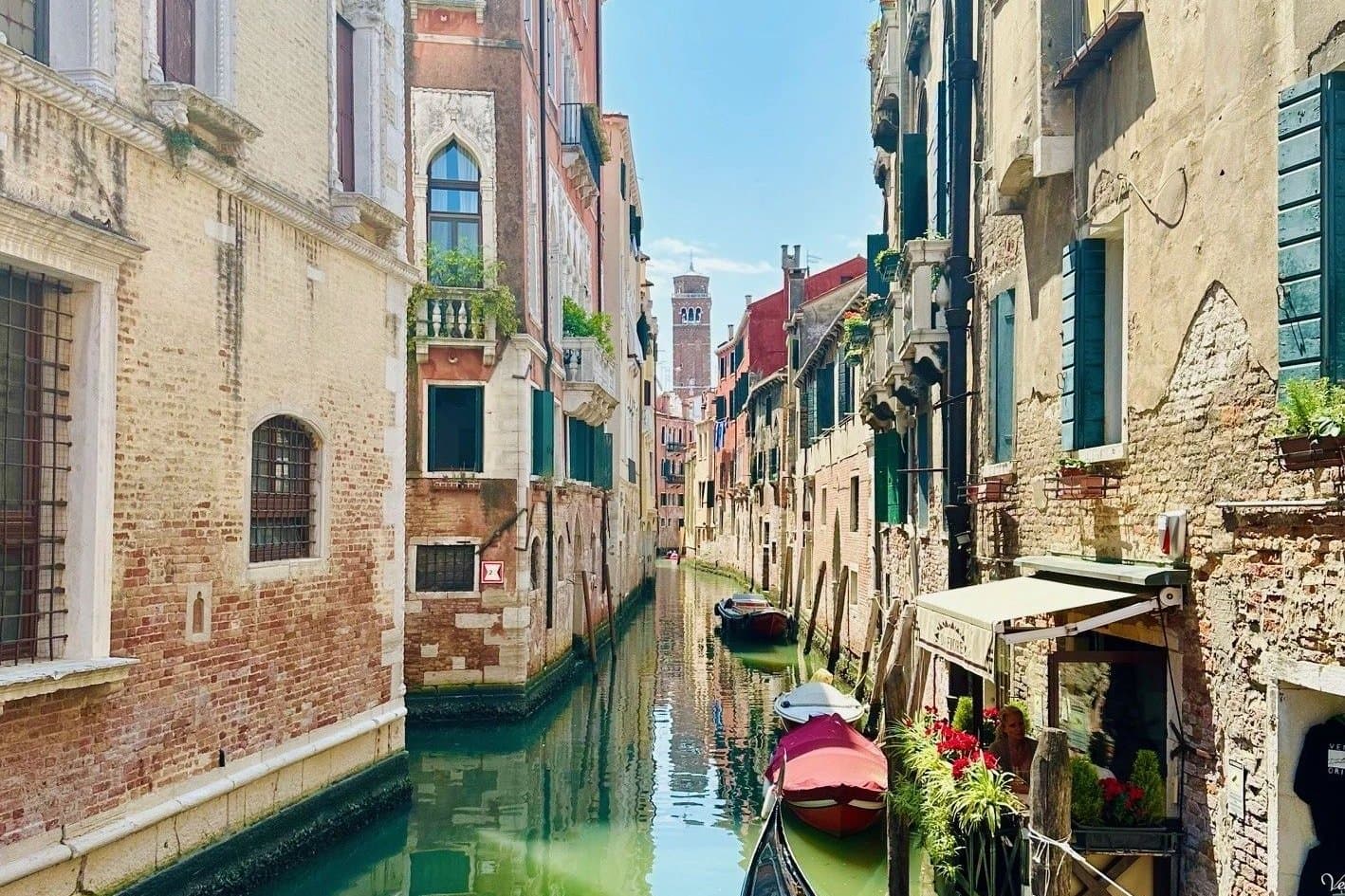
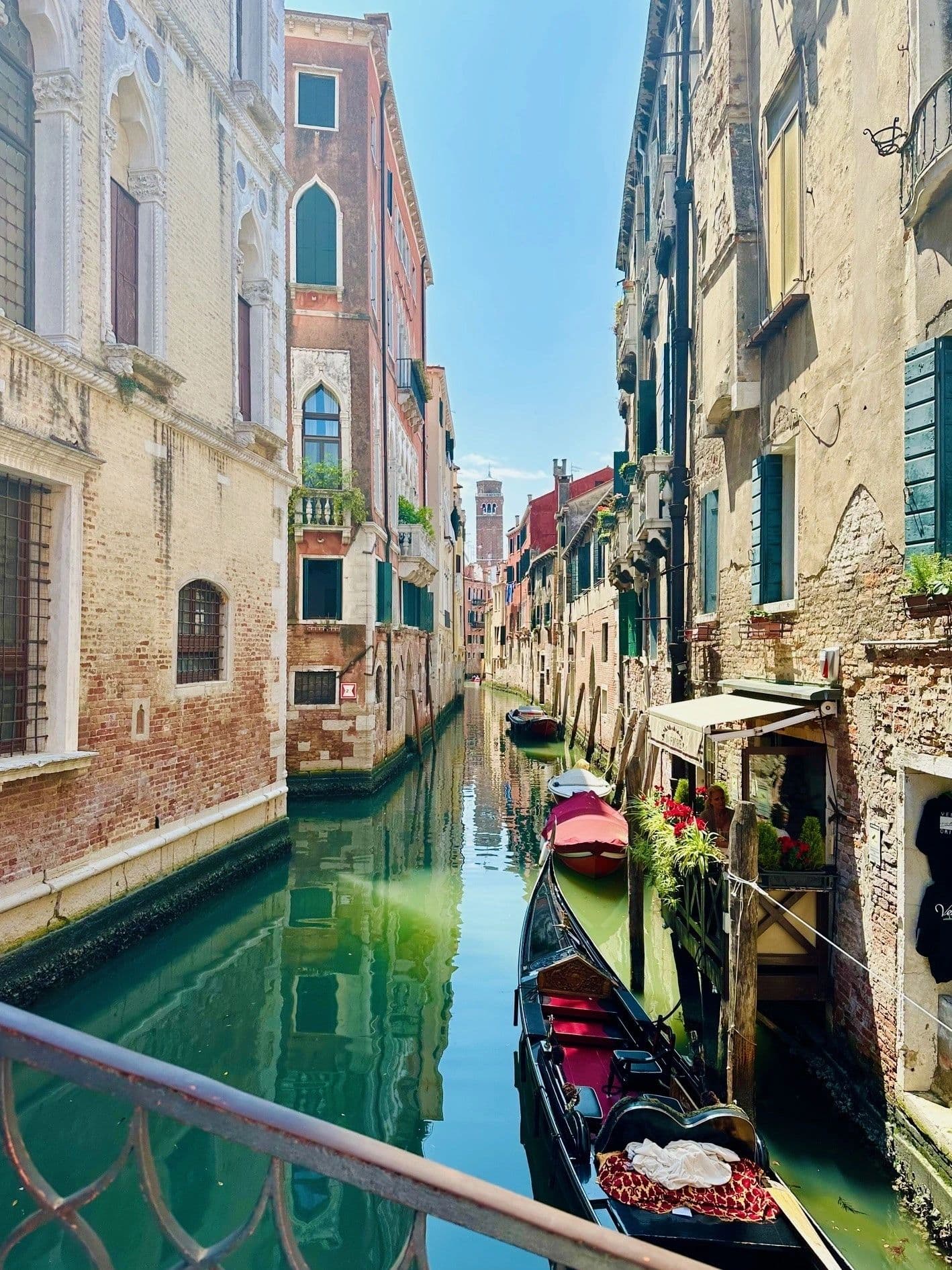
What it's actually like: unlike anywhere else on earth, and much smaller than the map suggests. There is no traffic. There is no comparable place.
What it needs: two nights. Not one. Two nights buys you one full day and, much more importantly, the evening and the early morning, when the day boats have gone and the city is quiet and slightly unreal. That is the Venice worth seeing, and day-trippers never meet it.
Where to stay: anywhere that isn't beside San Marco. Cannaregio and Dorsoduro are residential, beautiful, and ten minutes' walk from everything.
Best for: the sheer strangeness of it. Also the easiest of the three to combine with somewhere else; it's on the line north.
The honest downside: in July and August it is hot, extremely crowded, and the canals can smell. Off-season Venice and high-summer Venice are two different propositions, and only one of them is romantic.
So which do you drop?
Drop Venice if you're traveling in high summer, or you can only spare a single night. A rushed Venice is worse than no Venice; you'll have queued at San Marco with fifteen thousand other people and concluded it's overrated.
Drop Florence if you aren't going into Tuscany and Renaissance art isn't the point of the trip. Florence's case is strongest as a gateway, and weakest as an isolated stop.
Drop Rome if you've been before (rare on a first trip), or the group's energy doesn't suit a big, hot, demanding city. It's the hardest work of the three.
The itineraries that actually work
Nine nights, first trip: Rome (4) → Florence (3), with two nights in the Tuscan countryside on the end. One train, one car hire.
Nine nights, second trip: Florence (3) → Tuscan countryside (4) → Venice (2). Slower, quieter, and the one people are most surprised by how much they loved.
Twelve to fourteen nights: Rome (4) → Florence (3) → Tuscan countryside (3) → Venice (2). Now the classic route has room in it, and the travel days sit between real days rather than eating them.
Never: all three in eight nights. Two of those nights are travel, two are arrival and departure, and you'll see three cities at about a third of each.
The order
Most trips run south to north, Rome, Florence, Venice, because it follows the fast-train line and lets you fly home from Venice or Milan without backtracking. Reversing it works equally well if your flights favor it. The direction matters much less than not doubling back.
If you have dates and a list and you're trying to work out what fits, that's precisely the conversation. Tell me what you're weighing; I'll tell you honestly what I'd cut, and why.

Kerry-Ann Stephens
Founder of Bound for Europe, based in Georgetown, Texas. She plans custom European trips and hosts small-group retreats for women.