Planning Europe · Travel Tips
How Far in Advance Should You Plan a Europe Trip?
Nine to twelve months for peak season; but not for the reason most people assume. It's almost never the flights that force your hand.
Nine to twelve months ahead for peak season. Four to six for the shoulder months. Less than that is workable more often than people expect.
But the number is the least useful part of the answer, because it's almost never the flights that force your hand.
What actually books out first
Flights are the thing everyone panics about, and they're the most forgiving part of the trip. Airlines release seats roughly eleven months out and repriced inventory keeps appearing. You will get to Europe.
Here's what actually disappears, roughly in order:
Small hotels, 9–12 months. Not the chains, but the twelve-room places in a converted farmhouse, the family-run palazzo, the country-house hotel with one good suite. These are the properties that make a trip feel personal, and they have almost no inventory to sell. A hotel with sixteen rooms in high-season Tuscany is effectively sold out by February.
Private guides, 6–9 months. The genuinely excellent ones, the art historian in Florence or the guide who can get you into the Vatican before the crowds, work a limited number of days and are booked by repeat clients and advisors first.
Timed museum entry, 3–6 months. The Alhambra is the strictest; slots go within days of release. The Last Supper in Milan releases in blocks and vanishes. The Borghese Gallery in Rome runs on fixed two-hour slots. The Uffizi and the Accademia are easier but the good morning times aren't.
Restaurants worth crossing a city for, 1–3 months. Shorter than people fear, but the window is real.
Notice that none of those get easier by waiting. Flights do.
The booking order that actually works
- Decide the shape of the trip. Which places, how many nights each. Everything downstream depends on this and changing it later is expensive.
- Book accommodation. This is the real constraint and it dictates the dates.
- Book flights around the accommodation, not the other way round.
- Book guides and timed entry as soon as each releases.
- Book trains about three months out; see below.
- Restaurants, four to six weeks.
Most people do this in exactly the reverse order, lock in flights first, and then discover the good hotels are gone on those exact dates.
Trains are their own thing
European rail tickets typically release three to six months before travel, and the cheapest fares sell first. Booking a train nine months out isn't possible; booking it two days out is possible but can cost three times as much.
So trains are the one component where "too early" is a real category. Put a reminder in your calendar for roughly four months before you go.
When less notice is genuinely fine
- November through March, outside the Christmas markets and New Year. Cities are quiet, the good hotels have space, and rates are the lowest of the year.
- One-city trips. A week in Paris or Rome can come together in six weeks.
- Places that aren't having a moment. Puglia, Alentejo, the Basque country outside San Sebastián, most of central France.
I have put together good trips on eight weeks' notice. What you lose isn't quality; it's choice. You get a fine hotel instead of the one you'd have picked.
The part nobody plans for
The single most common reason a trip gets compressed isn't procrastination. It's passports.
Renewals take longer than the published estimate more often than they don't, several countries require six months of validity beyond your return date, and every traveler needs their own. Check every passport in the group the day you start thinking about this; before you look at a single hotel. It costs you ten minutes and it's the one thing that can't be solved with money later.
If you're weighing dates against what's realistically still available, that's a five-minute conversation. Tell me roughly when you're thinking and I'll tell you honestly whether the timeline works.
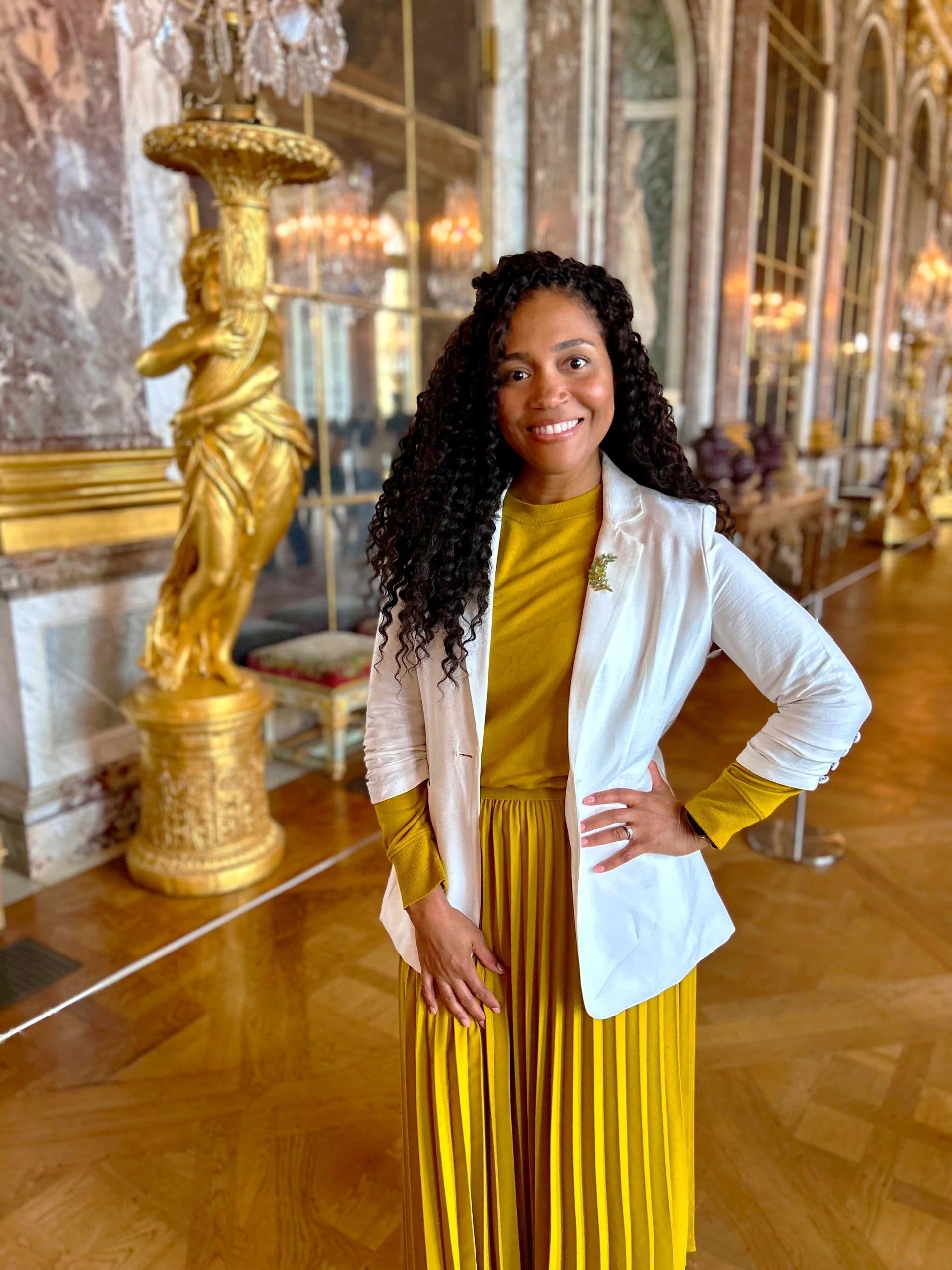
Kerry-Ann Stephens
Founder of Bound for Europe, based in Georgetown, Texas. She plans custom European trips and hosts small-group retreats for women.